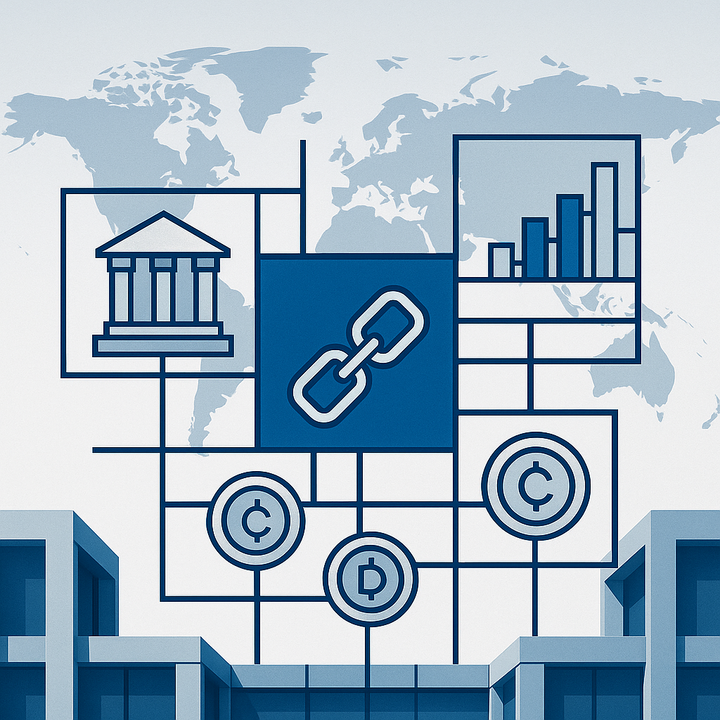

Introduction: The Importance of Fintech Fast Personal Loans in the Current Market
Fintech fast personal loans have quickly become a key part of today’s financial landscape. They have changed how individuals and businesses access quick credit. Traditional lending models often fail to deliver the speed, simplicity, and digital convenience that borrowers now expect. Modern borrowers want approvals in minutes, efficient digital onboarding, and fewer bureaucratic hurdles. These new expectations have created opportunities for fintechs to build streamlined, advanced loan platforms. As a result, these platforms disrupt old funding norms and create new investment pathways.
The growth of fintech fast personal loans is driven not only by consumer and business demand but also by investors seeking fresh opportunities. In a world where immediate liquidity is crucial, these platforms redefine risk and return. They offer both inclusivity and competitive advantages. Therefore, understanding the rapid growth of fintech fast personal loans is essential for those exploring technological, credit, and investment innovation.
What Are Fintech Fast Personal Loans?
Fintech fast personal loans are digital lending solutions that provide approval, underwriting, and fund disbursement much faster than traditional banks. These innovations rely on advanced analytics, machine learning credit models, and seamless integration with digital identity and financial data providers. The platforms collect and process borrower information automatically. They use alternative data, such as mobile transactions, utility bill payments, or social network behaviors, to evaluate creditworthiness almost instantly.
Peer-to-peer (P2P) lending is a well-known version of fintech fast personal loans. It connects borrowers directly with retail investors. Marketplace lending solutions also bring together institutional capital to fund consumer credit. Neobanks offer instant loans as part of broader digital banking experiences. Some companies use blockchain to automate contracts or enable decentralized verification, which increases speed and scalability. Digital onboarding, transparent fees, and intuitive borrowing interfaces define this segment. Major players like Upstart, LendingClub, Nubank, and Revolut use unique algorithms, data strategies, and customer journeys to make credit faster, smarter, and more accessible.
Why Do Fintech Fast Personal Loans Matter for Investors?
Fintech fast personal loans have changed credit access and created new asset classes for investors. Digital lending platforms expand credit into underserved demographics, increasing the total market. Investors can now participate directly in loan portfolios, buy securitized bundles of consumer credit, or fund platforms that focus on alternative lending. Automation and advanced credit risk assessment help fintech lenders operate with lower costs. Often, they pass yield advantages on to investors.
Furthermore, detailed analytics and real-time performance data let investors monitor exposure, track repayments, and rebalance portfolios quickly. Unlike traditional loans, fintech fast personal loans use dynamic underwriting powered by alternative and real-time data. This often improves borrower selection and reduces default rates. As regulations evolve and platforms scale, investor confidence grows. This leads to more innovation and greater capital allocation to digital lending assets.
How Do Fintech Fast Personal Loan Platforms Work?
Fintech fast personal loan platforms rely on digital onboarding, rapid data processing, and instant disbursement. Borrowers fill out short digital applications. Automated systems then connect with credit bureaus, open banking APIs, and identity verification tools. Machine learning models evaluate various data points, including traditional credit history and alternative factors like employment stability and cash flow.
Automation reduces approval times from days or weeks to minutes. Approved users receive funds within hours or even instantly through digital wallets or instant payment rails. Some loan contracts use smart contracts on blockchain, which also help with repayment tracking and settlements. Platforms offer digital dashboards for real-time management of repayments, delinquencies, and borrower engagement. These technological efficiencies make fast, reliable credit accessible to many more people.
Practical Strategies for Investing in Fintech Fast Personal Loans
Investors interested in fintech fast personal loans need to focus on careful due diligence and diversification. First, it is important to review a platform’s underwriting logic, default rates, and collection efficiency. Independent performance data helps investors assess risk and set yield expectations. Many platforms now share detailed data on loan originations, losses, and repayment rates, making comparisons easier.
Diversifying investments across platforms, regions, and loan types—such as prime, near-prime, and subprime—can help reduce concentration risk. Investors can participate by backing loans through P2P models, buying securitized loan assets, or investing in equity or funds focused on digital credit. API-enabled dashboards let investors track portfolio metrics and quickly adjust as risks or rates change. Working with platforms that provide transparent reporting, strong cybersecurity, and regulatory compliance adds another layer of confidence.
Risks Associated with Fintech Fast Personal Loans
Although fintech fast personal loans offer many benefits, they also carry risks. The speed of processing can create vulnerabilities if platforms lack robust fraud detection, data security, or strong borrower verification. Fraudsters may take advantage of weak onboarding or poor identity checks, putting investor capital in danger. The use of alternative data for underwriting adds uncertainty, especially when models have not been tested during economic shocks or rapid changes in borrower behavior.
Regulatory risk is another concern. Many countries are still updating rules for digital lending, data use, and interest rate caps. Changes in legislation can disrupt business models or reduce profits. Liquidity risk also exists. During volatile markets, investor sentiment may shift, limiting available capital for new loans and forcing platforms to slow down lending.
Cybersecurity and privacy are critical concerns. With large amounts of personal and financial data online, breaches can cause significant financial and reputational harm to both investors and platforms. Therefore, investors must evaluate platform resilience, cybersecurity measures, and contingency plans to protect their investments in difficult situations.
Key Opportunities in Fintech Fast Personal Loans
Fintech fast personal loans help broaden financial inclusion, especially for groups and regions underserved by traditional banks. Automated risk models can identify creditworthy applicants who may be missed by standard scoring. This brings millions of new borrowers into the financial system. For investors, these innovations offer early access to growing markets and the chance to capture unique risk premiums as data-driven underwriting evolves.
Open banking and digital identity services reduce risk for lenders and support faster, safer fund transfers. Collaborations between fintechs, banks, and asset managers are becoming more common. These partnerships create hybrid models that combine speed, agility, and the strong balance sheets of traditional finance. As these partnerships strengthen, investors gain access to more products and markets while benefiting from large-scale innovation.
Technological advances are crucial for new opportunities. Blockchain can automate and secure loan contracts. AI-driven algorithms improve credit risk assessments. Real-time analytics allow rapid portfolio adjustments. This creates a credit ecosystem with lower costs, fewer barriers, and more transparent pricing. As a result, investor confidence rises, opening the market to greater participation.
Emerging Trends Reshaping Fintech Fast Personal Loans
Open banking regulations and APIs enable seamless, secure sharing of financial data. This leads to faster and more accurate credit assessments. Regulatory sandboxes help test and refine new credit models. Artificial intelligence and big data let platforms automate risk assessment and fraud detection. They can also personalize loan offers using behavioral data.
Cloud-native platforms scale quickly across markets, making fintech fast personal loans accessible worldwide. The rise of embedded finance—where lending is built into apps and platforms like e-commerce, ridesharing, or payroll—improves user experiences and expands distribution. More digital loans are being securitized, attracting institutional investors who want diversified fixed-income exposure. This strengthens the asset class.
Traditional banks and fintechs are working together to deliver hybrid products. These partnerships combine wide distribution channels with fintech innovation. As a result, they offer customizable, efficient, and accessible credit to digital-first customers. As these collaborations grow, fast, technology-driven lending will become more widely accepted.
The Role of Financial Education and Staying Informed
The blend of technology and finance in fintech fast personal loans marks a significant change in how credit is offered and managed. For investors and consumers, knowledge is essential. Keeping up with advances in credit modeling, data privacy, and regulations helps everyone manage risk and find new opportunities.
It is important to study both platform mechanics and broader market trends. Analyzing regulatory shifts, consumer demand, and economic signals can clarify potential rewards and risks. As digital credit options multiply, ongoing education helps investors adapt strategies, diversify, and maintain disciplined portfolio management as fintech continues to evolve.
To explore more about FinTech and Financial Innovation, visit our dedicated category for the latest insights.

Related Posts